


AI Mode Is Full of Links Again: How UK Small Businesses Become the Source Google’s AI Answers Cite
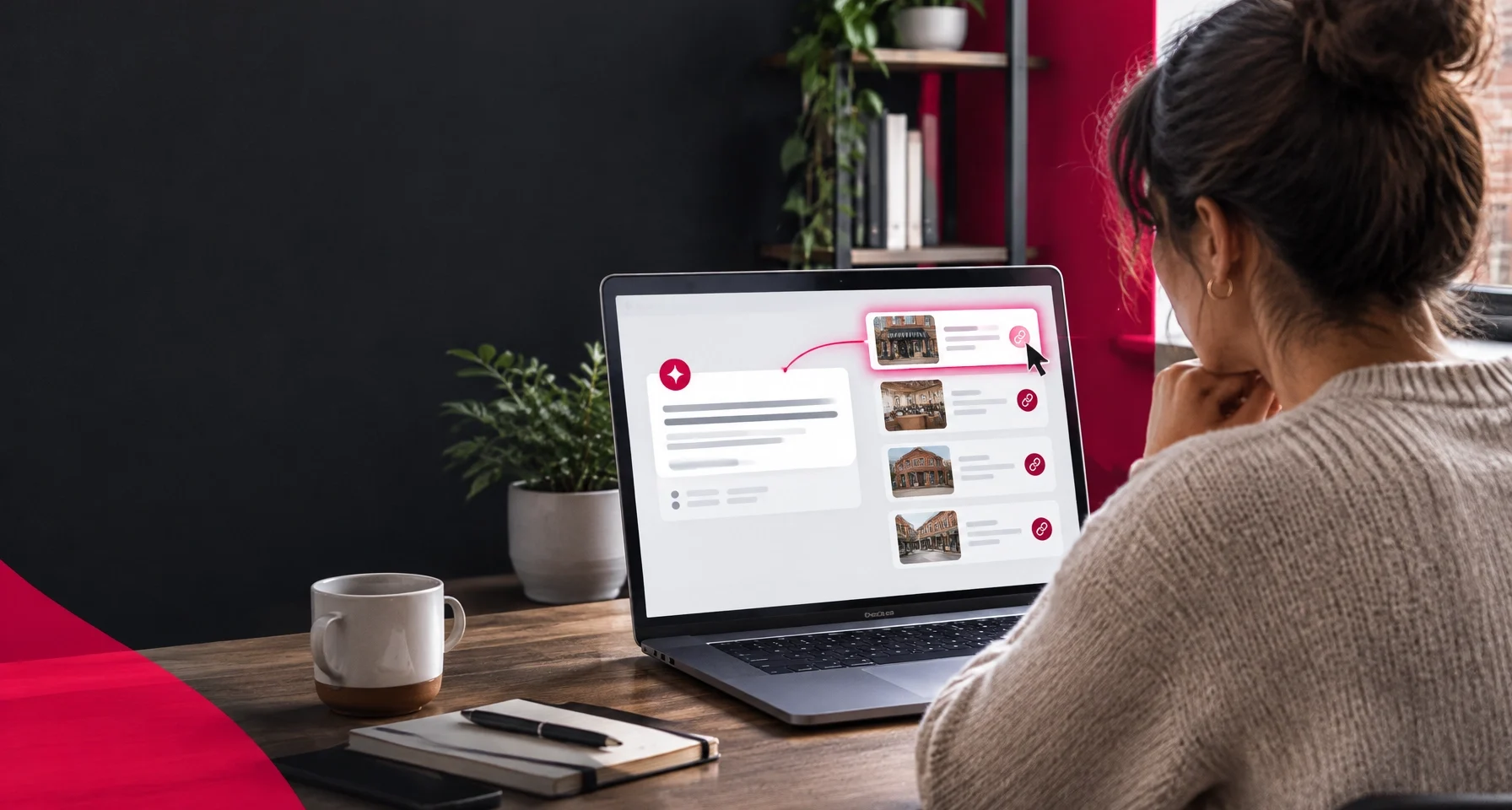
Two months ago, the fear was that AI answers would kill clicks. This week, the story shifted: Google says it has increased inline links in AI Mode and AI Overviews and is showing them higher in responses more often.
That creates a new opportunity, but not an automatic one. The answer may contain more links, but only businesses Google chooses as sources can benefit. The question is no longer whether to pay attention to AI search. It is whether AI search will link to your business.
WHAT JUST CHANGED IN GOOGLE SEARCH?
In its 15 October update, Google described “continued and substantial increases” in inline links. Links embedded directly in an AI-generated answer. It also said it is updating the experience so these links appear higher in responses more frequently. Other changes include more prominent links to related articles and new ways to surface official sites and timely reporting.
That makes AI answers easier to explore. For a searcher asking how to fix a boiler, choose a taxi service or find a local salon, a useful source link can be a direct route to a business’s advice, service details or booking page. Google has not published click-through figures for the change, so businesses should treat it as a new visibility opportunity, not a guarantee of more traffic.
There is another development to watch: Google is testing ads in AI Mode for some users who have opted into Personal Intelligence, which can connect Search with Google apps such as Gmail and Photos. It is a limited test, not confirmation of a general rollout. But if paid placements share the same answer space as organic citations, earning a trusted organic link becomes more valuable.

Related reading: Gemini 4 Argon is rolling out in Google AI Mode.
WHY SMALL BUSINESSES HAVE A SECOND CHANCE
A high organic ranking still matters, but it may not be the only route to visibility in an AI answer. In an October 2026 check of 360 everyday UK searches, research by Sayu found that 69.4% of the sites cited in AI Overviews were not in the top ten ordinary results for the same searches. The check also found that 19.8% of the overviews cited no site from the top ten.
Treat those figures as a snapshot, not a universal rule: the study checked a fixed set of mobile searches at a particular time. And to be precise, the 69.4% finding comes from Sayu’s study, not Semrush. Semrush separately released its first UK AI Visibility Index on 13 October, examining how AI visibility differs by market and platform.
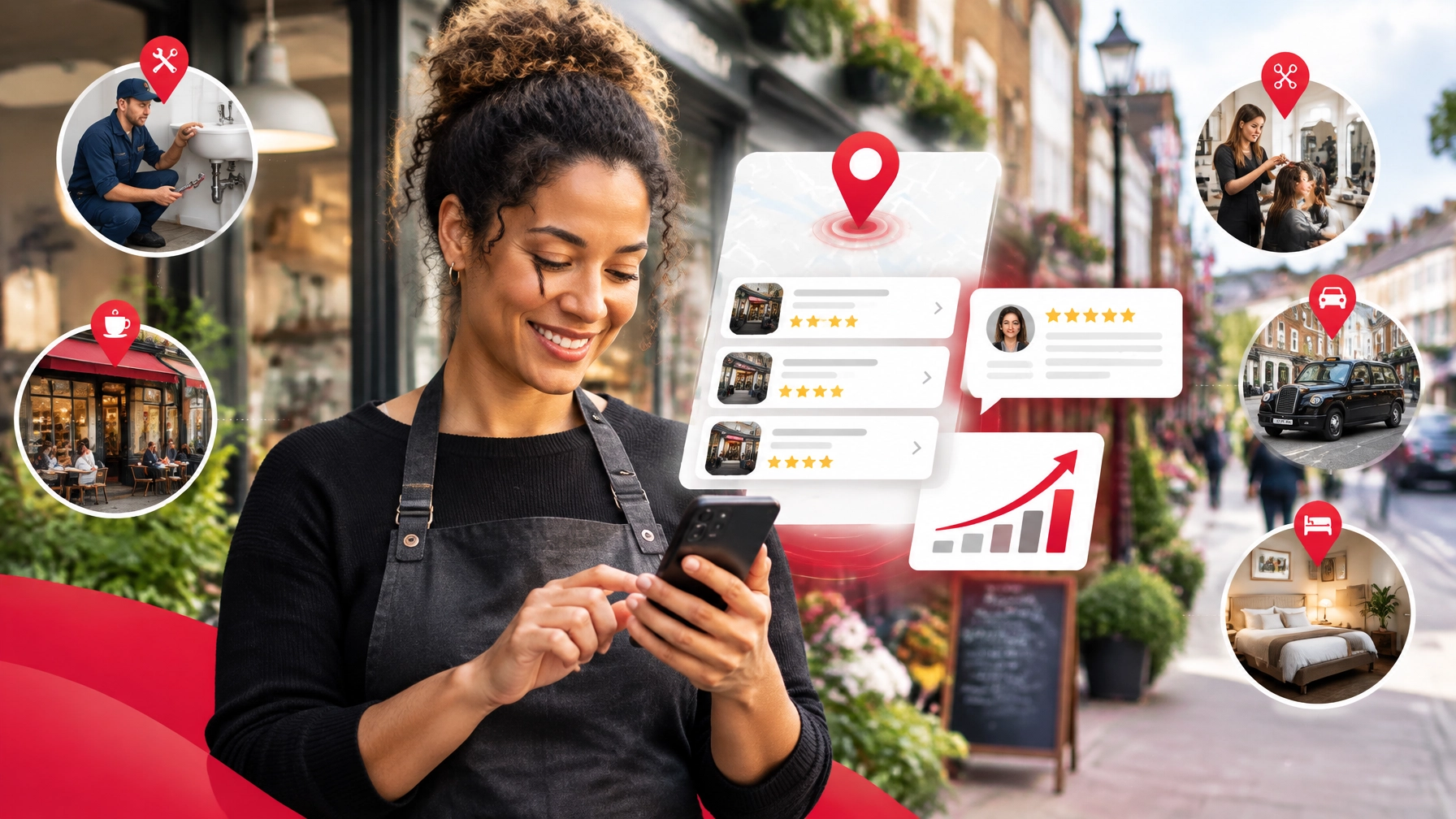
The practical lesson is that ranking and being cited are related but separate outcomes. A local garage, BnB or taxi firm may have useful first-hand information that a broader competitor does not. Clear answers, real examples and trustworthy business details can give search systems a stronger reason to use that expertise.
That does not mean small businesses can ignore standard SEO. It means they should build search visibility that works across traditional results, map listings and AI answers. Our guides to GEO and the AI Discovery File explain how to make your business and its expertise easier to understand online.
WHAT MAKES A SOURCE WORTH CITING?
Google has not published a simple checklist for getting cited. There is no reliable shortcut or guaranteed “AI ranking” trick. But the same fundamentals that help search systems understand useful, trustworthy pages still matter:
- A clear answer to a real question. Make the page’s purpose obvious, and answer the main question near the start.
- First-hand expertise. Include details drawn from doing the work: what a service includes, where it is available, what customers should prepare and what to expect.
- A recognisable business entity. Use consistent business name, address, phone number, service areas and descriptions across your website and listings.
- Accurate local information. A customer searching for a plumber in Leeds needs service-area details and current contact information, not vague claims to serve “the whole UK”.
- Trust signals. Genuine customer reviews, consistent business information and useful third-party mentions help people, and search systems, understand who you are.
Pages full of generic claims such as “we provide the best solutions” give an AI system little specific information to work with. Thin service pages, copied descriptions and unsupported claims are unlikely to make a lasting impression.
This is especially important for local firms. Our guide to how local SEO helps UK small businesses get more customers explains how local relevance supports discovery across search.
THE ADS TEST MAKES ORGANIC TRUST MORE IMPORTANT.
An ad can buy a placement. It cannot replace the credibility of a useful, independent source. If ads appear more often in AI Mode, businesses will need to understand where paid visibility fits their category and whether the test expands. For now, don’t assume the same experience is available to every searcher.
Organic citations are not a substitute for paid campaigns, either. They are a separate way to earn discovery. A balanced strategy can support both: make the website and business information trustworthy, then use paid campaigns where they deliver measurable value.
That combination matters as Google’s search experiences change. Our article on the shrinking Map Pack looks at how local businesses can respond as search results evolve.
A PRACTICAL CITATION PLAYBOOK
Use this checklist to strengthen your chances of being selected as a helpful source:
- Answer first. Put a concise, direct answer in the first few sentences of each important page. Follow it with the explanation and detail.
- Add specific, quotable information. Include real timeframes, service areas, steps, costs where appropriate, and practical examples. Be accurate; don’t invent statistics to sound authoritative.
- Build useful FAQs. Use questions customers actually ask. A taxi firm might cover airport transfers, booking cut-off times and wheelchair-accessible vehicles. A BnB might explain check-in, parking and breakfast.
- Create clear service and location pages. Explain what you do, who it helps, where you operate and how a customer can take the next step. Avoid making near-identical pages for every town.
- Keep business listings consistent. Check your Google Business Profile and other important listings for accurate contact details, hours, categories and service areas.
- Use structured data as a clarity layer. Appropriate schema can help describe your organisation, services and location. It does not guarantee a citation and must match the visible page content.
- Earn reviews steadily and ethically. Ask real customers for honest feedback. Respond professionally and never buy or fabricate reviews. Read our guide to review velocity and customer trust.
- Fact-check AI-assisted content. Google’s October guidance stresses reviewing AI-generated content for accuracy and trustworthiness before publishing. Check claims, prices, locations, metadata and structured data. AI can help organise an explanation; it should not replace your expertise.
- Make the page work well on mobile. A potential customer who arrives from a citation should be able to read, call or book without delay. Our Core Web Vitals guide covers speed and usability improvements.
MEASURE BUSINESS IMPACT, NOT AI HYPE
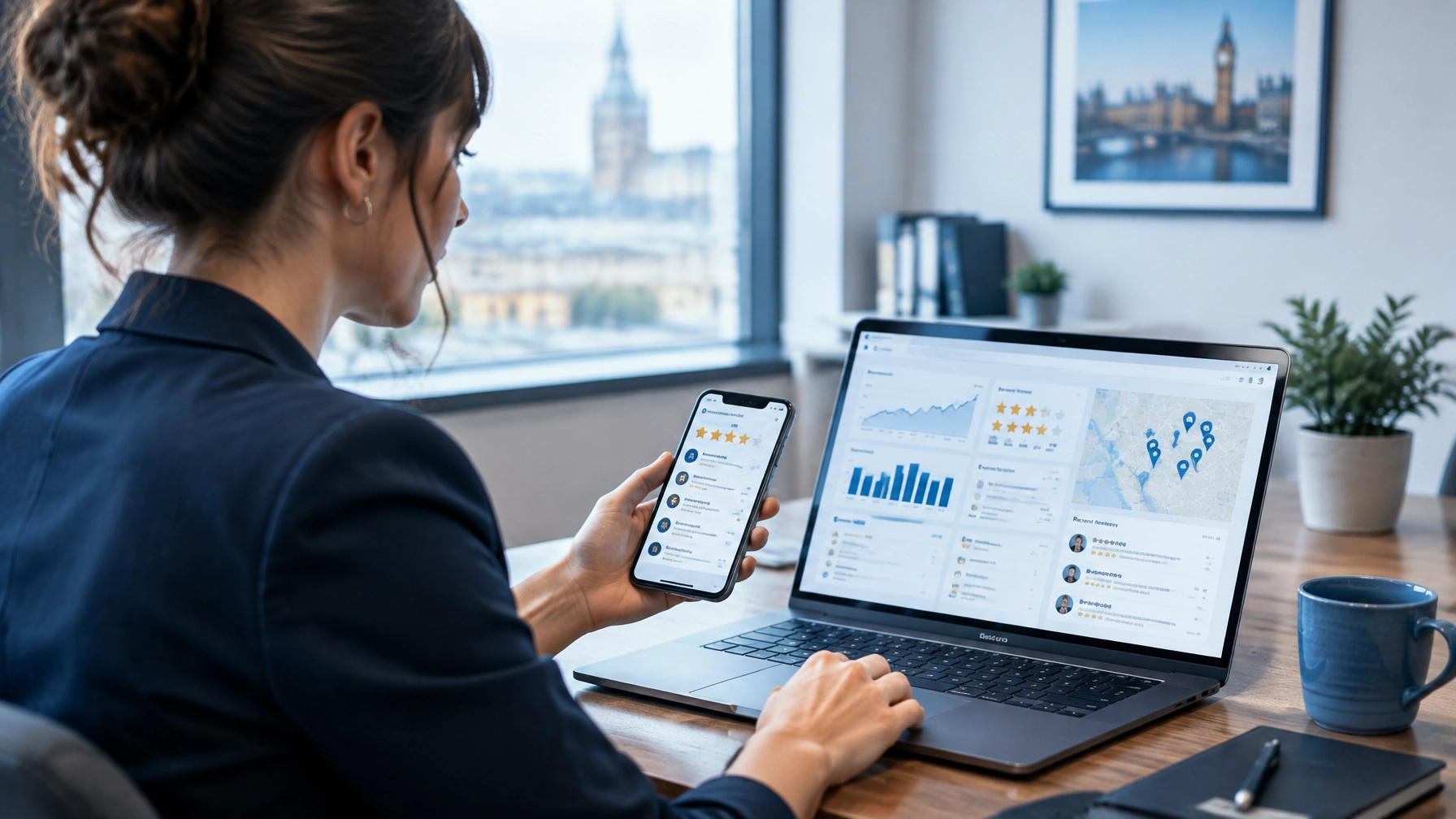
AI citations are not yet a single, complete metric in ordinary analytics reports. Monitor the signals you can act on:
- Search impressions and clicks for important questions and service pages.
- Branded searches for your business name.
- Calls, enquiries, bookings and direct visits.
- Customer feedback about how they found you.
- AI answer appearances, checked regularly for the same relevant searches and locations.
An impression without a click can still indicate that your business is being seen. But visibility is not revenue: judge progress by whether the right customers recognise, contact and choose your business. Be sceptical of anyone promising a guaranteed AI ranking.
Q4 IS THE TIME TO MAKE YOUR EXPERTISE FINDABLE.
Q4 searches are already building towards the December peak. Businesses that publish accurate, useful pages now have more time to be discovered and refined before seasonal demand rises. Start with the questions customers ask before booking, then make the answers easy to find and act on.
Use our Q4 local search plan alongside the September spam update guide. Google’s spam update finished on 8 October; its timing is a reminder to prioritise helpful, trustworthy content, not evidence that the update specifically targeted AI-written pages.
TURNING CITATIONS INTO CUSTOMERS
AI search is becoming more navigable, and the opportunity is clear: publish information that earns trust, answers real questions and makes the next step simple. That means strong fundamentals, useful first-hand content and a seamless experience from answer to enquiry.
Global Marketing Firm provides SEO Services UK, SEO Services for Small Business, and Local SEO Services UK as part of an integrated digital strategy. As a digital marketing agency in the UK, we help businesses improve visibility, strengthen their websites and connect marketing activity to customer outcomes. We bring specialist experience in taxi and transportation businesses, alongside support for local firms and larger organisations.
Our company reports a 100% on-time delivery record and an 85% repeat business rate. We listen, understand and deliver sustainable, ethically driven solutions built to scale.
Request a free visibility review to identify what is helping, or holding back, your business in search.